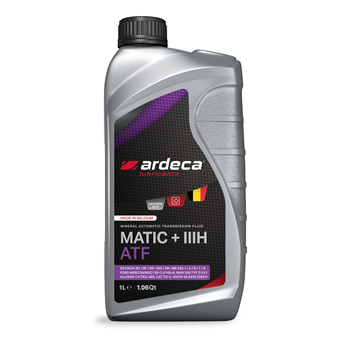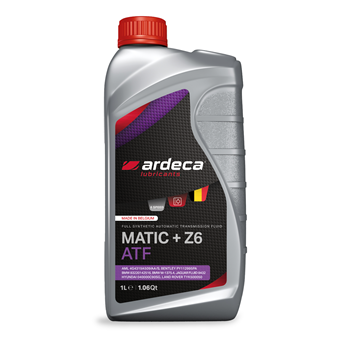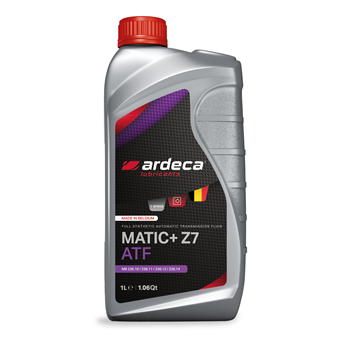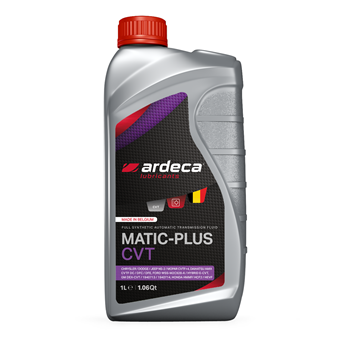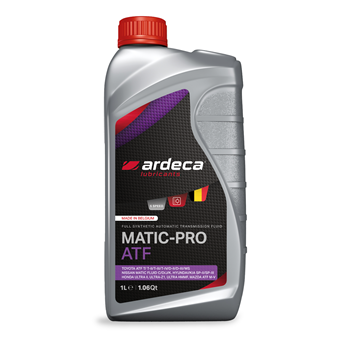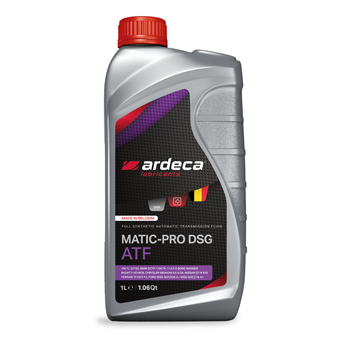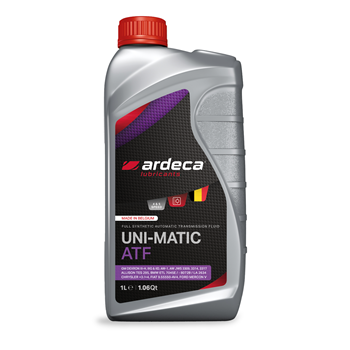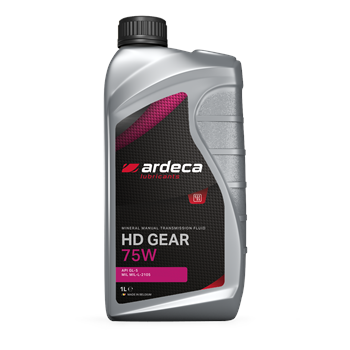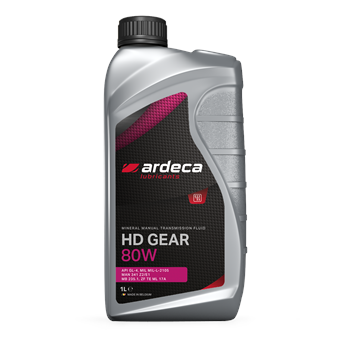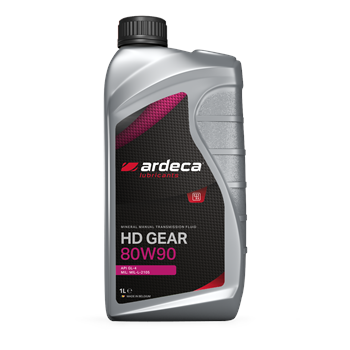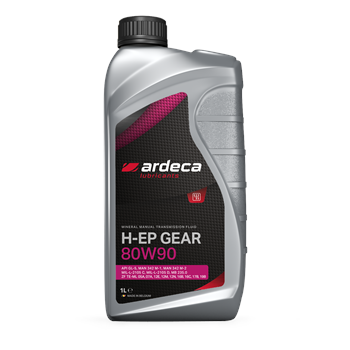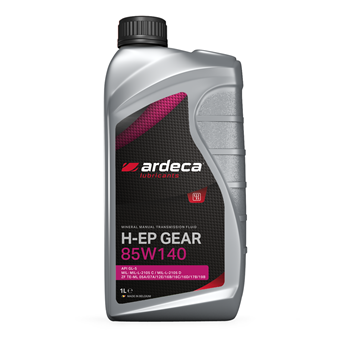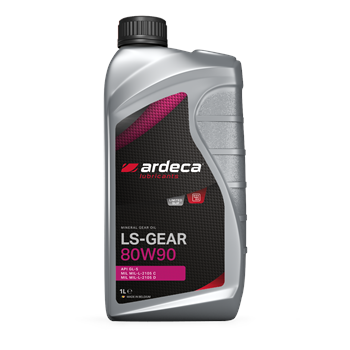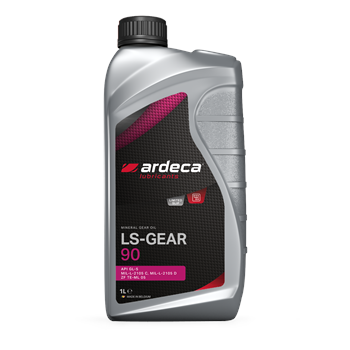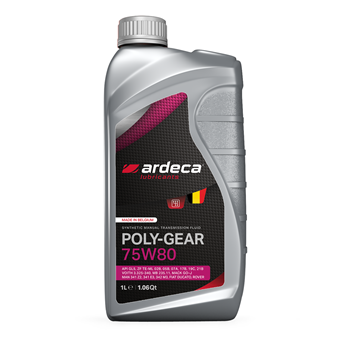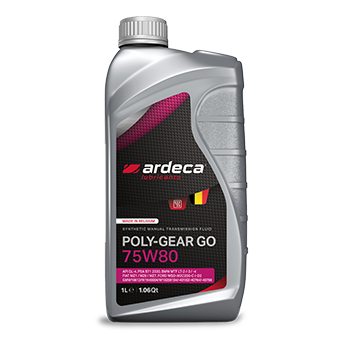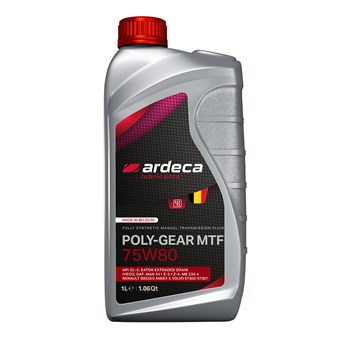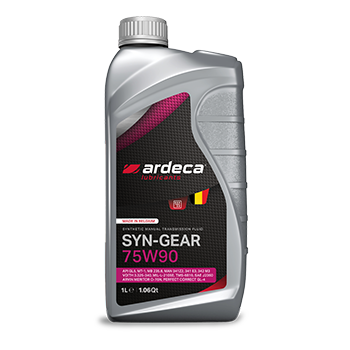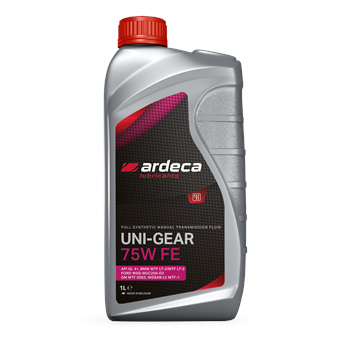

Transmission oil protects the moving parts inside a transmission system. It reduces friction, helps control temperature and protects gears, bearings and shafts against wear, corrosion and oxidation.
It is also designed to handle extreme pressure between gears. Special additives help prevent metal-to-metal contact and gear damage — protection that standard motor oils do not provide.
Transmission oil is used in manual gearboxes, automatic transmissions, differentials, transfer cases and axles. Each application requires the right oil type and specification.
Key benefits:
Transmission oils are often divided into two main types: ATF and MTF. Both are developed to protect transmission systems, but they are used in different applications and have different technical properties. Choosing the correct fluid is essential for smooth shifting, reliable performance and long-term protection.
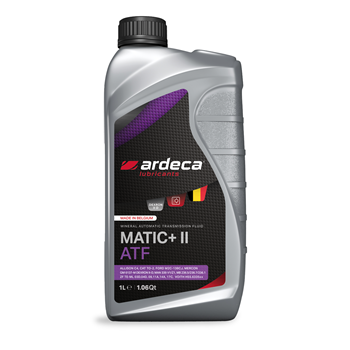
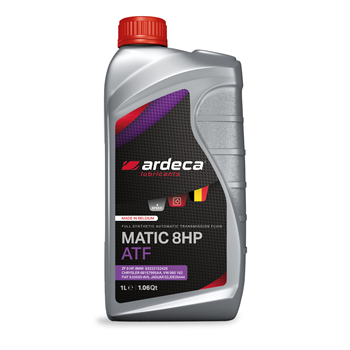
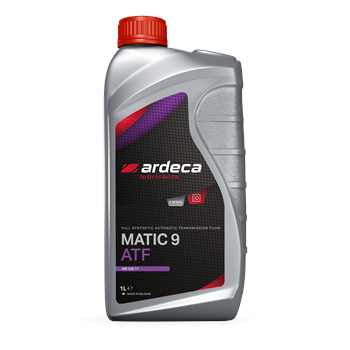
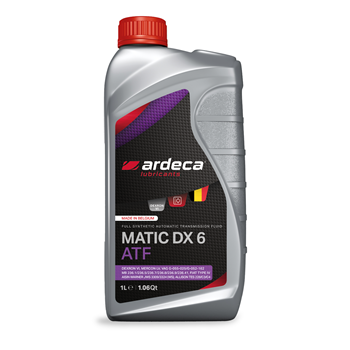
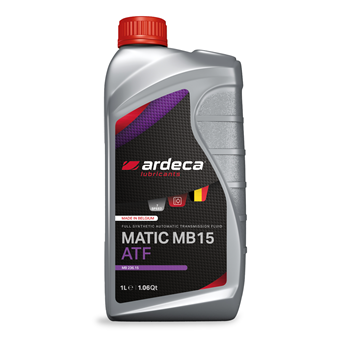
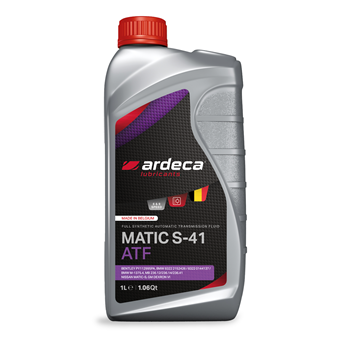
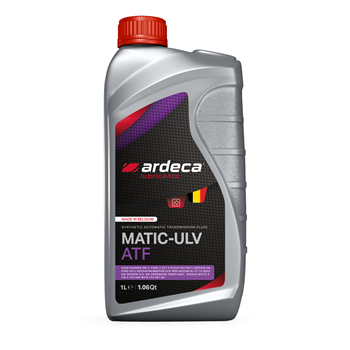
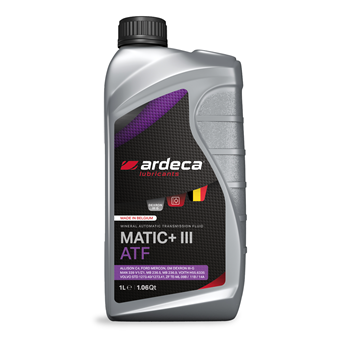
ATF, or Automatic Transmission Fluid, is designed for automatic transmissions. In these systems, the fluid does more than lubricate. It also helps with cooling, hydraulic pressure and friction control, allowing the transmission to shift smoothly and efficiently. ATF is often used in automatic gearboxes, but can also be required in certain power steering or hydraulic applications, depending on the manufacturer’s specifications.
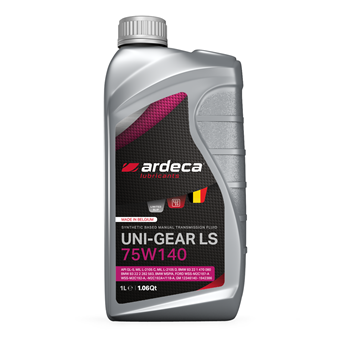
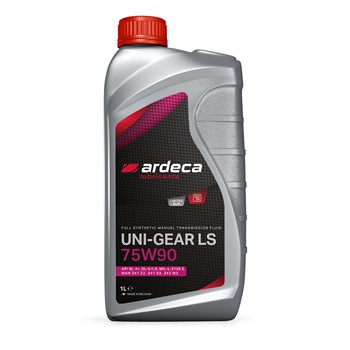
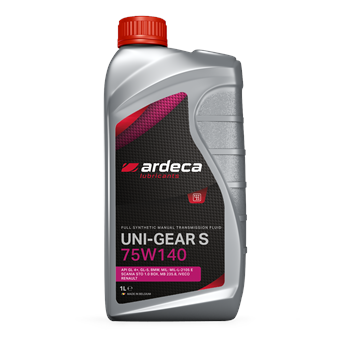
MTF, or Manual Transmission Fluid, is used in manual gearboxes. Its main function is to protect gears, bearings, shafts and synchronizers against wear and friction. A high-quality MTF supports smooth manual shifting, reduces noise and helps the gearbox perform reliably under different driving conditions.
Because automatic and manual transmissions work in different ways, ATF and MTF are not interchangeable. Using the wrong transmission oil can lead to poor shifting behaviour, increased wear, overheating or damage to sensitive transmission components. Always follow the required viscosity, OEM approval or performance specification.